
Introduction
The Americans with Disabilities Act (ADA) is a landmark civil rights law that protects individuals with disabilities from discrimination, including in the digital space. For small businesses, ADA compliance has become a critical priority in 2025, with recent updates and growing case law making website accessibility more important than ever.
Understanding the ADA
- Accessibility Standards: The ADA doesn't explicitly mention websites. However, court cases and settlements have established that websites fall under ADA's Title III, which applies to "places of public accommodation." Websites should be accessible to individuals with a variety of disabilities, such as visual, auditory, physical, speech, cognitive, language, learning, and neurological disabilities.
- Web Content Accessibility Guidelines (WCAG): Although the ADA doesn't specify technical standards for web accessibility, the widely accepted guidelines are the Web Content Accessibility Guidelines (WCAG), developed by the World Wide Web Consortium (W3C). These guidelines have multiple levels of accessibility (A, AA, AAA), with AA being the most commonly referenced level for compliance.
- Key Features for Accessibility: Making a website ADA compliant generally involves ensuring it is navigable and understandable for people with disabilities — including screen reader compatibility, keyboard navigation, alt text for images, sufficient color contrast, captioning for videos, and clear and simple language.
- Legal Compliance: Failure to make a website accessible can lead to lawsuits and financial liabilities. In recent years, there has been an increase in litigation related to web accessibility under the ADA.
- Benefits Beyond Compliance: Besides legal compliance, an accessible website improves the user experience for everyone and can enhance a company's market reach and reputation.
Why ADA Compliance Matters
Being ADA compliant offers several benefits for small business websites, extending beyond just legal compliance:
- Increased Audience Reach: Open your business up to millions of people with disabilities, leading to more traffic and customers.
- Improved Search Engine Optimization (SEO): Accessibility principles like alt text and organized content also improve search rankings.
- Enhanced User Experience: Accessible websites are more user-friendly for everyone — clear navigation, readable fonts, and responsive design benefit all users.
- Legal Risk Mitigation: Small businesses are not immune from ADA lawsuits. Compliance helps protect your business from costly legal action.
- Positive Brand Image: Demonstrating a commitment to accessibility shows your business values inclusivity.
- Competitive Advantage: An accessible website gives you an edge over non-compliant competitors.
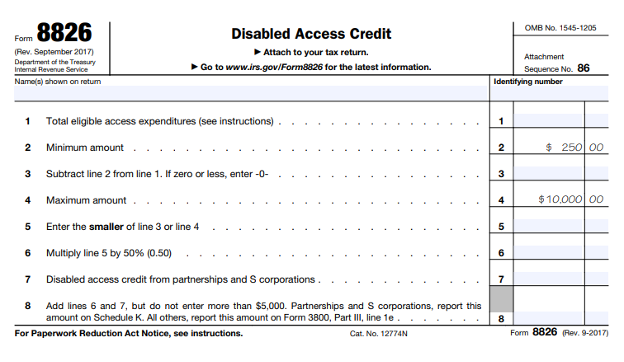
- Potential Tax Incentives: Small businesses may qualify for tax credits or deductions for accessibility-related expenses.
- Future-Proofing: Being compliant now saves you from larger, more expensive changes as regulations evolve.
Real-world examples: Sticky Rice was sued over an alleged non-ADA compliant website, and a Huntington Beach store recently faced a second ADA lawsuit over its website — proof that small businesses are increasingly targeted.
ADA Compliance Checklist for Small Businesses
Website Compliance
- Text alternatives (alt text) for non-text content.
- Video content with captions and/or transcripts.
- Website navigable by keyboard and screen reader–friendly.
Online Services
- Accessible online forms and documents.
- Consideration for color contrast and font size for readability.
E-commerce Accessibility
- Online shopping and services that are accessible and user-friendly.
- Clear and accessible product descriptions and customer service options.
Implementing ADA Compliance
A step-by-step guide to making your website ADA compliant with SimpleTech:
- Initial Assessment and Manual Review: Use SimpleTech's accessibility tools to scan your website for ADA compliance issues. Augment this with a manual review covering screen reader compatibility, color contrast, and keyboard navigation.
- Analysis and Content Enhancement: Examine the report to identify non-compliance areas per WCAG guidelines — missing alt text, low color contrast — then update content with alt text, transcripts, and proper headings.
- Design, Navigation, and Technical Updates: Revise the design for accessibility (color contrast, responsive layout, navigation) and make technical adjustments for HTML structure, ARIA labels, and accessible forms.
- Testing and User Feedback: Retest with SimpleTech's tools and gather feedback from real users, including those with disabilities.
- Ongoing Maintenance and Documentation: Run periodic compliance checks as content and standards evolve, stay current on accessibility laws, and keep detailed records of audits, fixes, and feedback.
FAQs
What specific features should an ADA-compliant website include?
An ADA-compliant website should offer features like screen reader compatibility, keyboard navigation, text alternatives for images, captions for videos, consistent layout, high-contrast colors, resizable text, accessible forms, adjustable time for content, and clear error recovery support.
How does ADA compliance affect mobile apps and responsive design?
Mobile apps must be compatible with screen readers and voice control, offer text enlargement and high-contrast modes, and have navigable interactive elements. Responsive websites must maintain accessibility across devices — readable text without zoom, adequate touch target spacing, and consistent navigation.
Can ADA compliance be integrated into an existing website, or is a redesign necessary?
Most existing websites can be made ADA compliant without a full redesign. The process includes an automated and expert review, then implementing changes like alt text, improved contrast, keyboard accessibility, and screen reader compatibility. For significantly outdated sites, a redesign may be more practical.
Common Misconceptions
- Only Large Companies Need to Comply: ADA applies to businesses of all sizes that serve the public.
- Once Done, Always Compliant: Ongoing maintenance is required as content and technology evolve.
- ADA Compliance is Only for the Visually Impaired: It covers hearing, motor, and cognitive impairments too.
- Compliance is Just About Legal Safeguarding: The real goal is accessibility for all users — a better experience that grows your customer base.
- It's Just About Adding Accessibility Features: True compliance requires thoughtful design and content choices, not surface-level fixes.
- Automated Tools Guarantee Compliance: Tools help identify issues but cannot replace human judgment.
Future of ADA Compliance
- Digital Accessibility: As digital reliance grows, accessible websites and mobile apps will become even more critical. Expect AI and machine learning to help create more accessible digital content.
- Assistive Technologies: Innovations in screen readers, voice recognition, and augmented reality will set new standards for accessibility.
Conclusion
ADA compliance is more than a legal requirement — it's about making your digital space welcoming to all users, including those with disabilities. For small businesses, it's an opportunity to reach more people, improve site usability, and strengthen your brand.
SimpleTech is your ADA compliance ally. We offer the tools and expertise to make the process manageable — from assessing your site's current state, to implementing changes, to keeping you compliant as standards evolve.
Additional Resources
- ADA Compliance
- Tax credits or deductions
- Sticky Rice sued over alleged non-ADA compliant website
- Huntington Beach store facing second ADA lawsuit over its website
Ready to Make Your Website Inclusive?
Open doors to everyone with ADA compliance. Book a free consultation with our experts today and start your journey towards an accessible and successful online presence. Accessibility is not just a feature — it's our commitment.