
ADA-Compliant Tax Credit
In today's business landscape, an increasing number of companies are incorporating comprehensive web accessibility practices into their online operations. This includes using a mix of native accessibility methods, automated tools, and various services to make their websites accessible to all, while also adhering to the requirements of the Americans with Disabilities Act (ADA). Despite the existence of cost-effective solutions for companies of all sizes, the cumulative annual cost of implementing both online and offline accessibility features can be unexpectedly high.
Recognizing the importance of these practices, the U.S. government encourages adherence to the ADA by offering a tax credit to businesses that engage in sustained accessibility efforts. This incentive deducts a specified amount from your total tax liability after your taxes are calculated.
Understanding the ADA Tax Credit
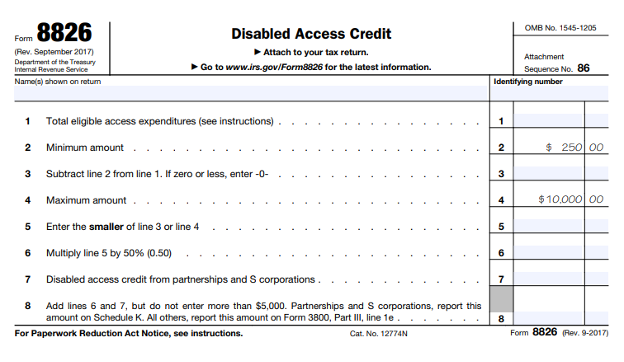
Under Section 44 of the IRS Code, the tax credit covers 50% of eligible accessibility expenses incurred in the previous tax year, up to a maximum of $10,250. The first $250 of these expenses are not eligible for the credit, meaning the maximum credit a business can receive is $5,000.
Eligibility for the ADA Tax Credit
Businesses qualify for this benefit if they earned $1,000,000 or less in the previous year, or have 30 or fewer full-time employees.
ADA Tax Credit and Accessible Websites
Originally, the ADA aimed to include evolving internet regulations. Now, it mandates accessibility in digital spaces, meaning the tax credit applies to businesses investing in accessible websites. This includes a range of practices and tools that enhance website accessibility, adjustments to homepages, page structures, live chat support, messaging, and paid services like file and media remediation.
Key Points to Remember
The ADA tax credit can be claimed annually. However, excess expenditures from one year cannot be carried over to the next. If your credit exceeds your tax liability, the remainder can be rolled over into the following year. Covered expenses include web accessibility tools, hiring sign language interpreters, purchasing adaptive equipment, creating accessible printed materials, removing physical barriers, and consulting fees.
Applying for the ADA Tax Credit
To apply, first consult the Tax Incentives for Improving Accessibility Fact Sheet. Confirm your business's eligibility, then complete and attach Form 8826 to your annual tax return. This form is available on the IRS website, along with further details and instructions. Additionally, the Americans with Disabilities Act website has information on IRS Tax Credits and Deductions.
Before finalizing your tax return, it's advisable to consult with a CPA or tax professional. If they're unaware of this credit, inform them about Form 8826 to ensure accuracy and efficiency in claiming your expenses for accessibility efforts.